Vastu Shastra
Ancient Indian science of architecture and building for harmony and positive energy
Understanding Vastu Shastra
Vastu Shastra is a nuanced science in architectural science that aims to create harmony between nature's five elements and building success. This traditional system provides solutions for the design, layout, measurements, and spatial arrangements of buildings to promote positive energy flow.

Types of Vastu
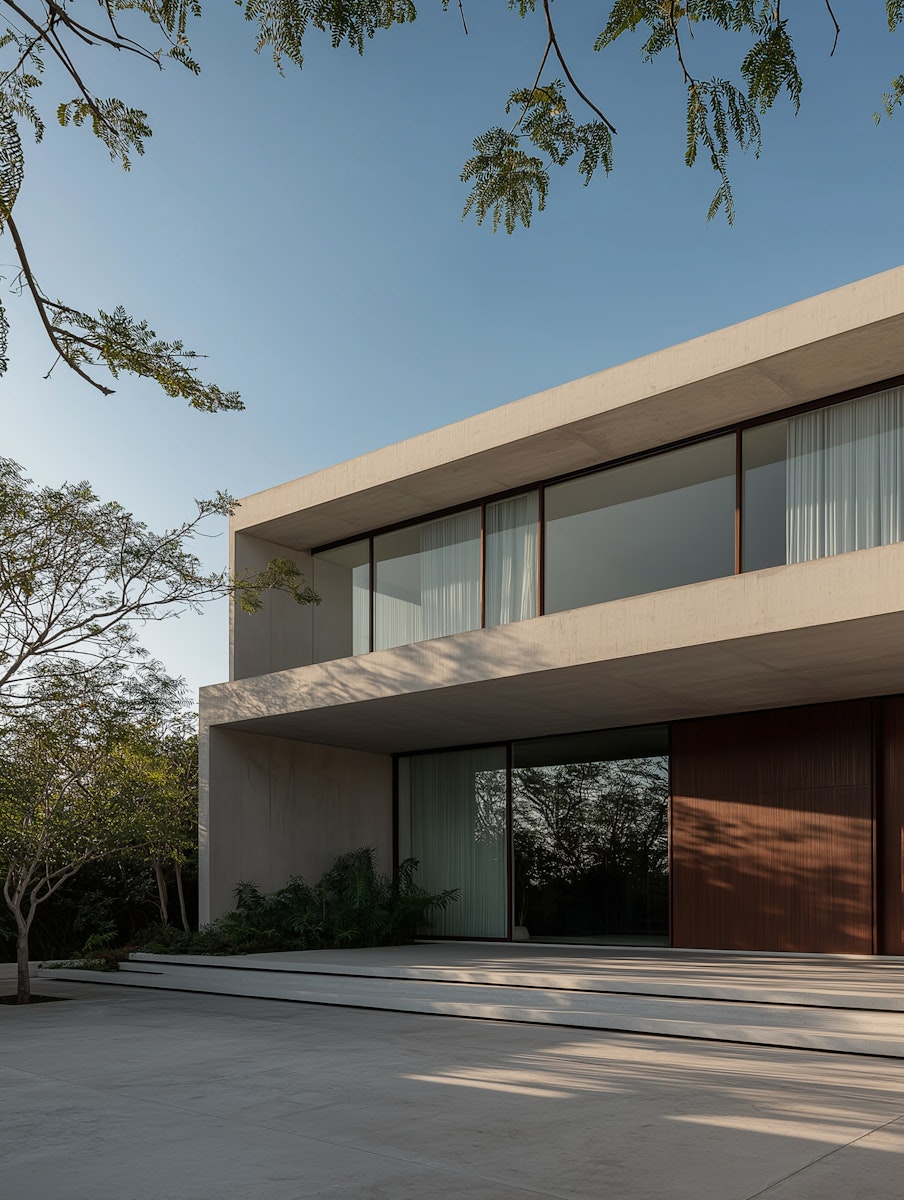
External Vastu
Guidelines for the exterior aspects of a building including direction, plot shape, entrance placement, and garden design to maximize positive energy flow.

Internal Vastu
Principles for interior spaces covering room placement, furniture arrangement, color schemes, and the positioning of important elements within the home.
Advantages of Vastu
- Enhanced positive energy flow throughout the living space
- Better health and well-being for occupants
- Improved prosperity and financial growth
- Greater harmony in relationships
- Increased productivity and success in career
- Better sleep quality and mental peace
- Protection from negative energies
Where Vastu Can Be Applied
Residential Homes
Apartments
Commercial Spaces
Office Buildings
Hotels
Hospitals
Educational Institutions
Industries
Vastu Shastra: common questions
What is Vastu Shastra?
Vastu Shastra is the traditional Indian science of architecture. It sets out how a building’s direction, layout, proportions, and spatial arrangement affect the flow of energy through it, and prescribes adjustments intended to bring a home or workplace into harmony with the five elements.
What is the difference between external and internal Vastu?
External Vastu covers the exterior of a building — the plot shape, the direction it faces, where the entrance sits, and the garden layout. Internal Vastu covers what happens inside: which room goes where, how furniture is arranged, colour schemes, and the placement of important elements within the home.
Which direction should a house face according to Vastu?
Vastu traditionally favours north-, east-, and north-east-facing entrances, because these orientations are associated with the strongest inflow of positive energy and morning light. The right choice depends on the plot, the building’s use, and the occupants, which is why a Vastu analysis looks at the specific property rather than applying a single rule.
Can Vastu be applied to an existing building?
Yes. Most Vastu consultations deal with buildings that are already constructed. Where structural change is impractical, corrections focus on layout, room use, placement of furniture and fixtures, colour, and remedial measures rather than rebuilding.
Does Vastu apply only to homes?
No. Vastu principles are applied to residential homes and apartments as well as commercial spaces, office buildings, hotels, hospitals, educational institutions, and industrial premises.
Get Your Personalized Vastu Analysis
Fill out our form to receive a personalized Vastu analysis for your home or workspace. Our experts will provide you with specific recommendations tailored to your situation.